

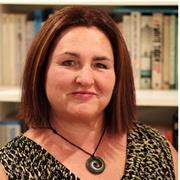
Simone Rodda
Simone Rodda is a Deakin University researcher whose work is widely relevant to gambling harm, behavioural support, and digital help-seeking. Her academic profile and publication record show a strong focus on how people access treatment, use online interventions, and respond to gambling-related risks in real-world settings. For readers in Australia, this background is especially useful because it helps explain gambling not just as entertainment or regulation, but as a public health and consumer protection issue. Simone Rodda’s research adds practical context to topics such as safer gambling tools, support pathways, and how evidence can inform fairer, more responsible gambling information.
Professional background
Simone Rodda is affiliated with Deakin University and is known for research connected to gambling behaviour, treatment engagement, and digital pathways to support. Her academic work is relevant to readers looking for more than surface-level commentary, because it is grounded in evidence about how people seek help, what barriers they face, and which interventions may be useful in practice. That type of background is valuable in editorial settings where accuracy, context, and consumer understanding matter.
Research and subject expertise
A key strength of Simone Rodda’s work is its focus on the real experiences behind gambling-related harm. Rather than treating gambling purely as a product or pastime, her research helps explain the behavioural and social factors that influence risk, help-seeking, and recovery. This includes interest in online and remote support models, which are especially important in modern gambling environments where digital access can increase both convenience and vulnerability. Her publication record is useful for readers who want evidence-based context on safer gambling, intervention design, and the broader public health implications of gambling behaviour.
Why this expertise matters in Australia
In Australia, gambling is a major public policy and consumer protection issue, with regulation, harm prevention, and access to support all playing important roles. Simone Rodda’s research is especially relevant here because Australian readers benefit from clear explanations of how gambling-related risks develop, how support systems work, and why behavioural research matters alongside legal rules. Her perspective helps connect individual decision-making with the wider Australian context: national regulation, online gambling restrictions, community health concerns, and the need for accessible support services. That makes her work useful for readers who want practical, informed guidance rather than promotional or overly simplistic claims.
Relevant publications and external references
Readers can verify Simone Rodda’s work through her university profile, publication listings, grant history, and Google Scholar record. These sources provide a transparent view of her academic output and show the themes that define her contribution to gambling-related research. For editorial trust purposes, this matters because it allows readers to assess the depth, consistency, and relevance of her work for themselves. Her research footprint supports careful discussion of gambling harm, digital intervention, treatment access, and evidence-informed consumer information.
Australia regulation and safer gambling resources
Editorial independence
This author profile is presented to help readers understand why Simone Rodda’s background is relevant to gambling, public protection, and safer gambling topics. The focus is on her academic and research credentials, not on promoting gambling products or commercial operators. Her value in an editorial context comes from the ability to add evidence-based perspective to issues such as risk, treatment access, consumer understanding, and the Australian regulatory environment.